On a Train
I read you like the sky, the ocean, the sun and the moon.
I’m sitting. I’m sitting inside a train carriage. I sit directly opposite her. She faces me, a book held in her hands. The books in her hands change constantly. When she change, I would try desperately to glimpse the cover, then scavenge through the carriage to find the same one to read. I always find them, locating them within the overcoat pockets of fellow passengers or the side pouch of a suitcase. It doesn’t matter if they are English classic novels or trending web fictions.
(Take, for instance, this specimen of “BL” fiction:
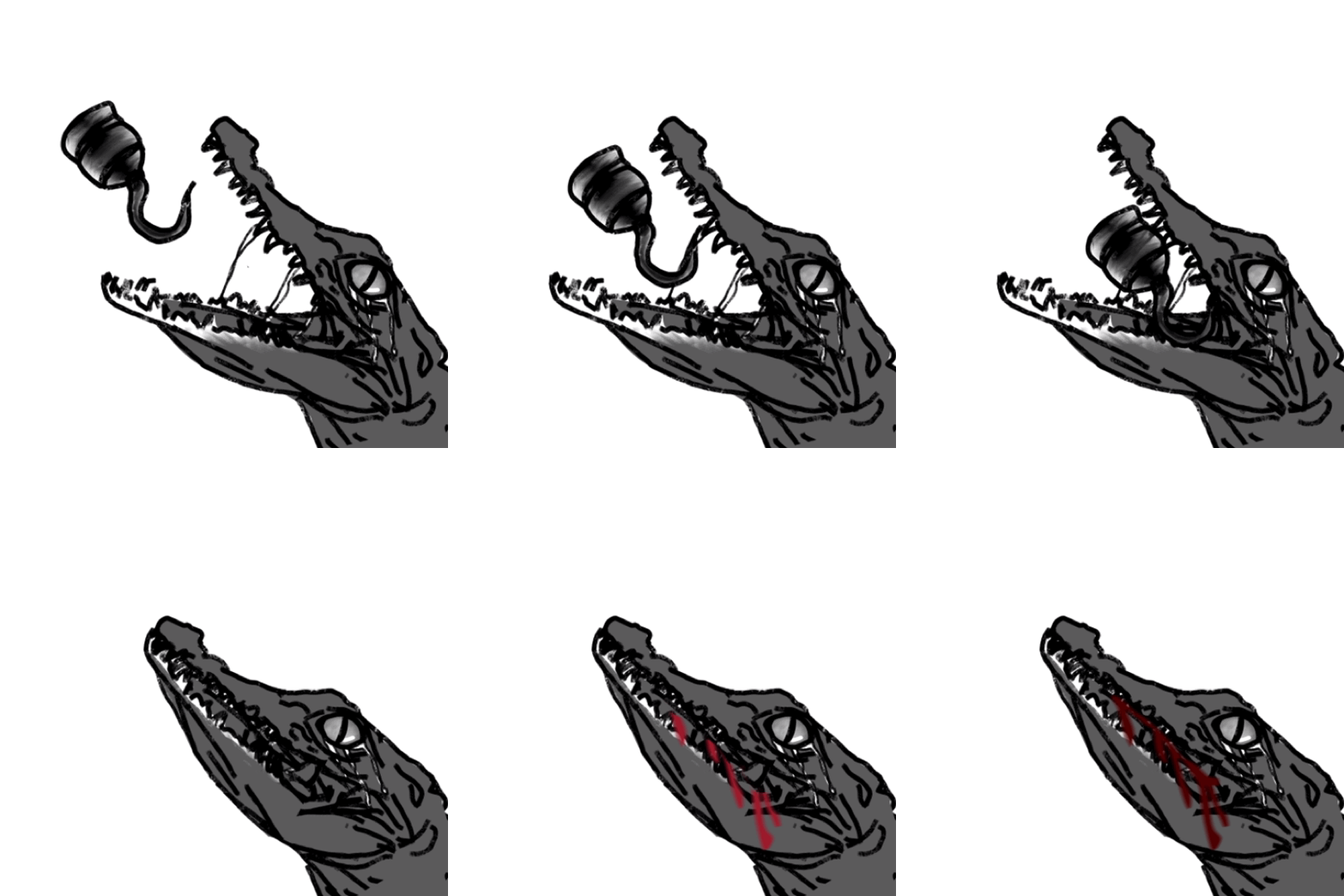
“Peter had a set of deciduous teeth as pristine as pearls. Captain Hook, an alumnus of Eton, had melancholic eyes the shade of periwinkles and a mane of nonchalant, obsidian curls. Having lost a hand to a crocodile, he substituted it with an iron prosthesis: a hook even more cold and distant than his hair, leaving everyone close to him, human or otherwise, scarred in his wake. The crocodile, having once tasted his flesh, developed a fixation. It sought to consume every inch of him, regardless of lacerations inflicted by the hook. Thus, it followed him. No matter how many times he drove it away, it persisted. When the crocodile drew near, Hook would hear a ticking. Perhaps a clock. Perhaps a bomb. The sound finally precipitated his mental collapse. Sinking into the briny seawater, he dissolved within the crocodile’s solipsistic saliva and tears. The countdown concluded. The crocodile exploded. At last, they were together forever.”)
None of that is my story. My story takes place on this train. It is a peculiar locomotive indeed; so far my reckless expropriation of books causes no physical retaliation. When I find a book, I can sit straight back in my original seat and finish it. Yet, upon completion, I might not remember where I took it from, only to find she has already moved on to a new one. I haphazardly toss the old ones onto the table (some remain partially unread) and spring from my seat to find the new one.
Before boarding, it was an ordinary dawn. She stood before me, wearing an awkward smile.
“You aren't ready yet.”
“I am ready,” I said hurriedly. I don’t know what kind of smile was on my face.
“You are not.” Her smile underwent a total eclipse. She did not look at me. Since then, she never looked at me again. She declared: “you aren't ready, go away.” I retreated. But in the infinitesimal moment before the doors shut, I regretted. I followed her back and took my seat. I knew she noticed my persistence, yet she maintained her visual avoidance.
I have been watching her. During a lunch break back in high school, I discovered a print of The Night Café affixed on the classroom wall. I stood before that picture for a minute. I tried to enter it; I didn’t mind that it was just a reproduction, but my entry kept getting refused. A girl in school uniform and backpack passed by, offering me some polite words of concern. “Are you okay? School’s over.” It turned out my singular minute had been four hours. The afternoon sessions died while I stood nearby the classroom door like a mourner. Surprisingly, within that four-hour/one-minute interval, no one noticed me except for that girl; even the tutors were not aware of my presence.
I have been observing her with the same intensity I reserved for that print of The Night Café. The sun dies day after day, and I am always watching her. Naturally, the act of reading necessitates a temporary suspension of this observation, yet any interval free from the text is dedicated to her. I can look at her now, clearly because I’ve just finished the old book in my hand and have already forgotten where I got it. I toss it onto the table, but the last gap on the surface has been occupied by the accumulated hoard. The book slides to the floor.
When she puts her book down, she chats and laughs with the people in the carriage. Our carriage is densely populated: a poet, chanting, carrying a large branch of peach blossoms upon his shoulder, our mutual acquaintances, and those who know her but not me. The smiles she accords them hold no awkwardness. She grants no smiles to me. She still does not look at me at all. Everything else is perfectly normal. I am right there, sitting directly across from her, yet her eyes never find me. Her ocular trajectory skilfully skims over me like a magic trick, never rest on me for even a second. Her hair grows long, then is cut short, then grows long again. The sun dies, day after day. The people talking to her rotate in succession. The blossoms upon the poet’s shoulder wither again and again, their messy white debris oscillating coating the floor swaying with the forward momentum of the train. She never looks at me, as if I do not exist.
So I have begun to interrogate my own existence. I look out the train window. The crepuscular light illuminates the wilderness, and as the light wanes, the glass reflection reveals everything inside the carriage. This “everything” encompasses: her, the stray lock of hair at the corner of her mouth, her labial movements as she smiles at others, the other passengers (who possess the honor of her smile and my jealousy), the book in her hand, the table piled with books between us. No me. In the faithful mimicry of the glass, I am absent.
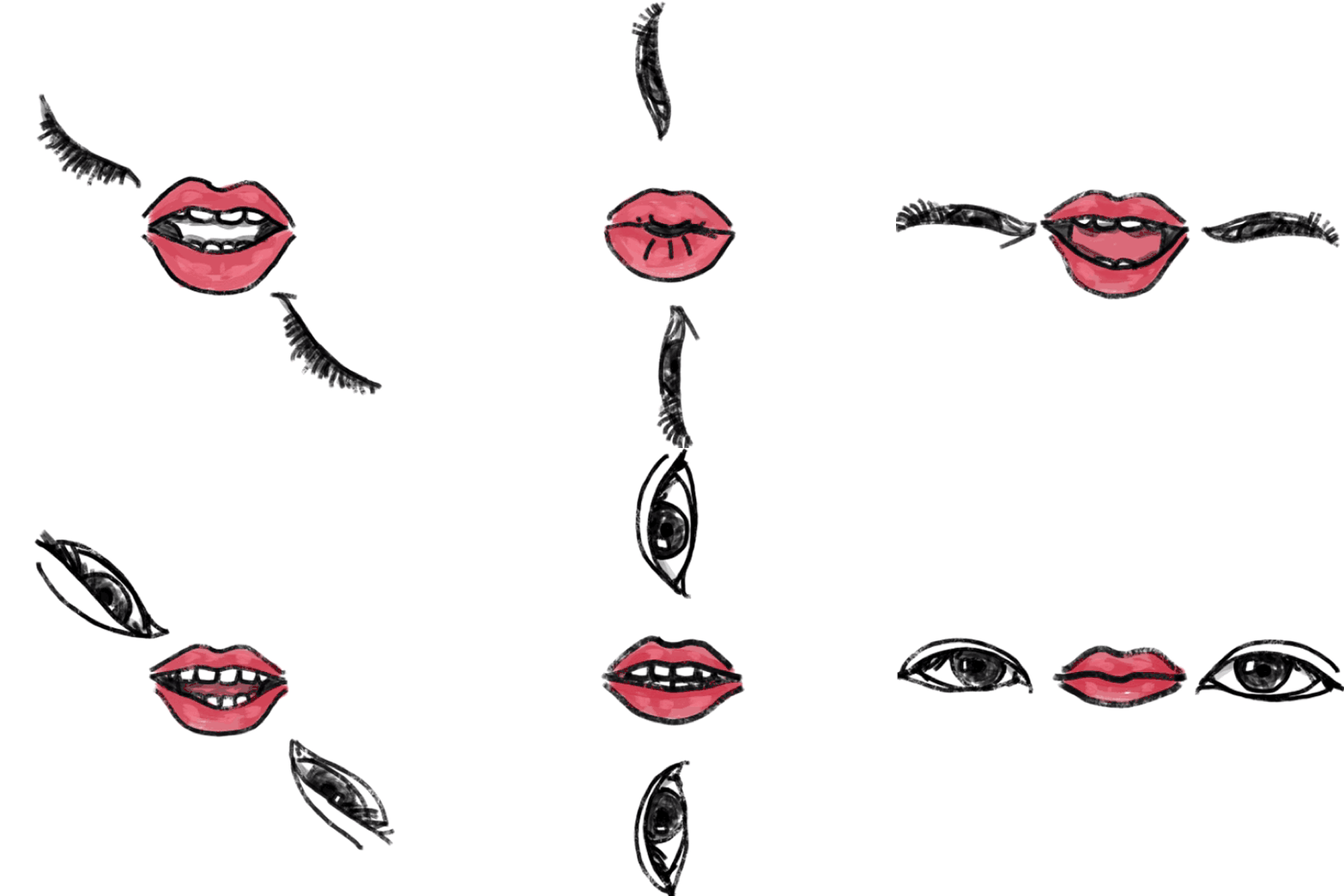
Panic ensues. I search the carriage for anything reflective: the pupils of those passengers, coat buttons, metallic cutlery, Nokia phone screens… all yield no trace of me. Only her eyes remain. Her eyes are the only thing that could possibly prove my existence. But she will not look at me. She keeps her head down, her eyelashes not even quivering. Like a rookie clown, I employ every stratagem to catch her attention. I begin to laugh hysterically. I laugh at her, I laugh at myself. I grow tired of laughing and transition to invective. I vituperate her; I vituperate myself. I grow tired of cursing and begin to weep. Just blowing my nose exhausts three 200-count boxes of tissues. “Please, just lift your eyes and look at me.” I grow tired of crying and become motionless, becoming as inert as her unmoving eyelashes. They are so long, her eyelashes. Why is she so cruel to me? Perhaps because her lashes are too long. People with long eyelashes usually lack a benign temper.
On a very clear noon, before the advent of midsummer, early-summer committed suicide. The wind was silent; the campus was submerged in a strange hush following summer’s instantaneous disappearance. I sat on the highest step of the academic building, being tanned while smoking, one after another, foul, esoteric cigarettes. It is said that Vincent, while sketching in the meridional heat of Southern France, often forgot to wear a hat, resulting in his alopecia. Above my not-yet-bald cranium were clouds, looking like white gummies spilled from an overturned jar, creating a high chromatic contrast against the sky.
Another painter told me that the zenith of the sky possesses the deepest hue, and that deep blue fades into pale blue towards the horizon. Thus I habitually verify this optical theory every time I look up to the sky. That painter also told me they thought Braque looked like Picasso with a small cloud on his head. As I lit my fifth cigarette, my lighter broke. It emitted a series of percussive clicks under the pressure of my thumb, but the nascent flame was repeatedly extinguished by the wind. The wind was not forceful; the wind was very calm. The wind was like a static eyelash, I was slowly sliding down a cheek.
I stand up. Not to find a book this time. I’ve decided to get off. The sun keeps on dying day after day. Since our boarding, in realms beyond my perception, the sun has died 1460 times, perhaps more. My math is poor; I am too insensitive to numbers. I only recognize that we are on a train chasing the International Date Line, where the temporal duration of a single day spans four years. Because the train does not stop before reaching the station, I have to seize the moment to jump/escape through the open window. This action can be exceptionally dangerous and might cause me great pain. The probability of a successful exit from this specific day is marginal; a more plausible outcome is a fatal fall, which would merely reset the cycle to the moment of boarding, unknowingly looping my misery. Ultimately, I abandon the attempt to jump. I walk to an adjacent carriage.
In the other carriage, nobody knows me. They are different from passengers I seen before. I tried to get to know them. Over time, they seem to recognize me. It seems I exist, slightly, in this carriage. This carriage also contains poets, but these poets are older; they don't carry peach blossom branches anymore, they just go straight to the point. There is also a bar. I wring out of my right hemisphere the contents of those books I read in the previous carriage, exchange them for cash, and surrender the total sum at the bar. In return, I receive large quantities of a toxic liquid solution. This carriage sometimes sway violently. I frequently lost my equilibrium upon departing the bar, bruising my knees until they resembled translucent bean-paste buns.
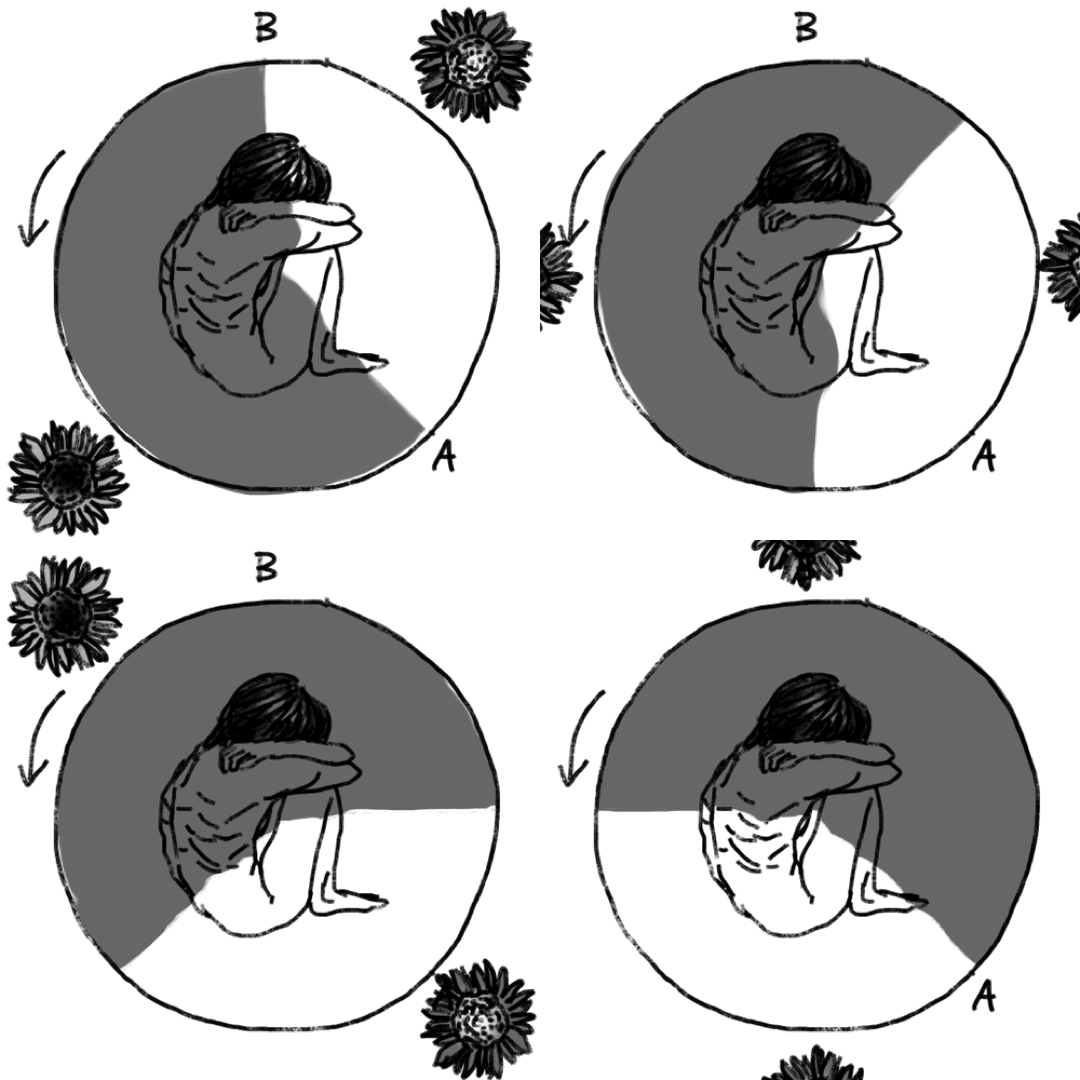
Gradually, my cerebral matter dissipate due to excessive extraction; this not only makes me more of an idiot but also makes it harder to adapt to sobriety. Due to the increasing asymmetry between my cerebral hemispheres, I have to tilt my head to keep my balance, which makes my neck grow thin and long. I often temporarily forget many things, leading others to perceive me as having a placid temperament. When the very last book being traded for toxic solution, I attempt to discern my own image on the bottom of the empty glass. I seem to have perceived a shadow. I want to look closer, but the glass shatter. The glass was originally a person; that person used to brought me the toxic liquid from time to time. The glass-person was very gentle to me, just like the toxic liquid itself. But the glass is broken now. The shadow at the bottom of the glass transmute into the bar itself. I become the bar.
At dawn, I hallucinate a bifurcation of my own self. Because to exist as one person was too painful. Yet, turning in two is still futile; everyone here has already lost control. I try to transform into noodles, yet I’m incapable of achieving the state of salmon-dashi ramen. Personally, I prefer pan-seared salmon, but salmon sashimi will consider me blasphemous. Sashimi is a commodity for the mature, much like oysters; I run away in fear. People think I prefer soba, but the truth is soba likes me, so I have no other options but to choose it.
I wake to find myself lying on the carriage floor. I had not become the bar, nor the floor. I was like a clump of trash swept to the door, unresponsive to the outside world. A beautiful man resembling a figure from a canvas bypasses me and says goodnight. Then I see passengers who know me from the previous carriage passing by. They are still the same as before but struggle to reconcile my current state with their memory of me. They smile while backing away from me. Toward my confused face, they smile and assert their belief that I remain myself. But who constitutes "myself"? I can never see myself. If she refuses to perceive me, I am invisible to myself. I am merely the observer of her. Why am I looking at her? Who is she? What is "she"?
“She” approaches me. The hour hand executes its final movement. After a long, full day, I finally encounter her eyes, those eyes are looking into mine.
“We’ve arrived.”
“I love you too.”
Fin.
14/10/2016
一列火车上
我坐着。我在一节火车的车厢内坐着。我坐在她对面。她面向我,手里拿着一本书。她手里的书经常换来换去。每次她换书,我都非常努力地看书的封面,然后在车厢内四处翻找出同样的书去看。我总是能找到,在某个乘客的大衣口袋里,或者某只行李箱的侧袋中。不管是英语原版书还是网络流行小说。
(比如这种bl小说:
“彼得有一口珍珠般漂亮的白色乳齿。胡克船长毕业于伊顿公学,有一双蓝得像长春花般的忧郁眼睛,和一头冷漠的黑色鬈发。他一只手被鳄鱼吃掉了,就换成了铁钩,这把铁钩比他的头发更加拒人于千里之外,他身边的人或者非人都伤痕累累。鳄鱼在第一次尝到他的血肉后开始迷恋他。他想吃尽他甜美的血肉,无论那把铁钩多么伤人。所以他一直跟着他。不论他赶走他多少次,一直跟着。鳄鱼接近时,胡克会听到滴答滴答的声音,可能是闹钟,也可能是炸弹。这个声音终于让他崩溃了。他沉入咸腥海水,融化在鳄鱼自私的口水和眼泪中。倒计时结束。鳄鱼爆炸。它们终于永远在一起了。”
以上都不是我的故事。我的故事是发生在这辆列车上的。对于我找书拿书的鲁莽行为,竟然没有人来打我,真的是奇怪的列车啊。我找到书之后可以直接坐回原位然后读完。只是读完之后我可能会不记得这本书是从哪里拿来的,紧接着发现她手里已经换了一本新书了。我胡乱把旧书们丢了桌子上(有的甚至还没读完),从座位上跳起来去找新书。
上车之前,是一个平常的凌晨。她站在我面前,露出尴尬的微笑。
“您还没有准备好。”
“我准备好了。”我急忙说。我不知道我脸上的笑容是怎样的。
“您没有。”她的笑容消失了,她不再看我。从此以后,她再也没有看我。她对我说:“你还没有准备好。你走吧。”我走了。但我在车门关上的前一刻反悔了。我跟着她坐了下来,我知道她注意到我没走,但她没有看我。
我一直在看她。高中某天的午休,我发现教室墙外贴了一张《夜间的咖啡馆》印刷画。我在那张画前站了一分钟。我试图进入那张画,我并不介意它只是一张印刷品。可那张画在拒绝我的进入。一名穿着校服的女生背着书包路过,向我表达了客气的关切之情——“同学你还好吗?已经放学了。”——我站的一分钟竟然是四个小时。下午的课都一节一节地死去了,我还一直站在教室门口呈默哀状。令我诧异的是,在这四个小时/一分钟之内,除了那名女生,没有人和我说话,就连上课的老师似乎也没有注意到我。
我就像看《夜间咖啡馆》的印刷品那样,一直在看她。太阳在一天一天死去,而我始终看着她。我读书的时候自然没办法看她,但只要不在看书,就会去看她。我现在能够看她,很明显是因为我刚读完了手里的旧书,而且已经忘记是从哪里拿到的。我把书丢在桌子上,但桌子上最后的空隙也已经被书堆满。那本书滑到了地上。
她放下书的时候,会和车厢里的人谈笑。我们的车厢里有很多人。肩扛一大枝桃花吟咏的诗人、我们共同认识的人、和只认识她但不认识我的人。她给他们的笑容里没有尴尬。她不给我笑容。她依然完全不看我。除此以外一切都很正常。我明明就在她的正对面,可是她的眼睛始终没有看向我。她的目光像魔术一样巧妙地掠过我,从来不在我身上栖息哪怕半秒钟。她的头发渐渐长长了,又被剪的很短,不久后又长长了。太阳一天一天地死去。跟她交谈的人换了一批又一批。诗人肩膀上的桃花枝上的桃花又谢了,满地白色碎瓣随着车厢不断向前晃动。她始终没有看我,就仿佛我不存在。
于是我开始怀疑自己真的不存在。我向车窗外看去。夕阳照在旷野上,光线有点暗下来,所以玻璃上的反光映出了车厢内的一切。“一切”指的是:她、她落在嘴角的头发、她向别人微笑的嘴唇、(荣幸得到她的微笑和我的嫉恨的)与她交谈的其他乘客们、她手头的书、我们之间那张堆满书的桌子。没有我。窗户玻璃忠诚的反光里没有我。
我慌了。我在车厢里寻找一切能反光的东西——乘客的眼睛,大衣的扣子,铁制餐具,诺基亚手机屏幕——都没有我——只剩下——她的眼睛了。她的眼睛是唯一有可能证明我存在的东西。可是她怎么样都不看我。她始终低着头,连睫毛都不颤动一下。我像一个菜鸟小丑,用尽一切办法引起她的注意。我开始狂笑。我笑她,笑我自己。我笑累了,开始破口大骂。我骂她,骂我自己。我骂累了,开始痛哭流涕。单是擤鼻涕就用掉了三包200抽纸巾。“求求你,抬起眼睛看一下我吧。” 我哭累了,一动不动了,变得像她依旧不动的睫毛那样静止。真长啊,她的睫毛。为什么她对我这么残酷?大概是因为她睫毛太长了。睫毛长的人,脾气都不会太好。
在一个天气非常晴朗的正午,盛夏还没来,初夏已经自杀了。风也没有声音,校园浸没在夏天瞬间完全消逝后有些奇异的沉默里。我坐在教学楼最高的台阶上,一边被晒,一边一根接一根地抽难闻的奇怪烟草。据说文森特在法国南部的夏天写生时常常忘记戴帽子,导致他被晒得秃顶。我还没秃的头顶上有云,看起来像从翻倒的罐子里掉出来的许多白色软糖,和天空形成较高对比度。
另一位画家告诉我,头顶的天空颜色最深,然后这深蓝向着天际渐变成浅蓝。于是每次我看天都习惯性确证一下这个理论。那个画家还跟我说,他觉得布拉克长得像毕加索顶着一小朵云。在叼起第五根烟时,我的打火机坏了。打火机在拇指一次次按压后发出一声声“啪”响,正准备膨胀的微弱火苗一次次被风吹灭。风不是很大,风非常冷静,风就好像是静止的睫毛,而我顺着一块面颊向下流淌。
我站起来。这一次不是为了找书。是决定下车了。太阳在一天一天死去。我们上车之后,在我看不到的地方,太阳一共死了1460次,可能是更多次。我的数学很不好,对数字非常不敏感。我只知道,我们坐在一列追逐日界线的火车上,一天的长度是四年。因为列车在到站前是不会停下的,所以我不得不抓住时机,从打开的窗口跳/逃出去。这种举动异常危险,还可能给我造成痛苦。成功逃离这一天的几率非常小,更可能的结果是:我反而把自己摔死了,那我又会回到上车的时候,不自知地循环我的苦难。所以最后,我放弃了跳车。我去了另一个车厢。
另一个车厢里没有一个我认识的人。他们和我之前见过的人都不一样。我试图去认识他们。久而久之,他们似乎就认识我了。似乎我在这个车厢内就稍微存在了。另一个车厢也有诗人,但诗人年纪大了,就不扛着桃花了,都直接啪的。另一个车厢还有一个吧台。我从右脑绞出之前那个车厢里的那些书,用它们换了钞票,再把所有的钞票都放在了吧台上。于是我得到了大杯的有毒液体。另一个车厢晃动得很厉害。我起身离开吧台的时候时常站不稳,于是把膝盖跌得像薄皮豆沙包。
渐渐地我的脑子由于绞了太多次已经快没了,这不仅让我变得更加智障,还让我更加无法适应清醒的时间。由于左右脑大小差距愈发悬殊,我时常需要歪着头来保持平衡,这让我的脖子愈发细长。我时常暂时性忘记很多事情,所以人们觉得我脾气很好。当最后一本书也给人换成有毒液体的时候,我试图在有毒液体的空杯杯底看清楚我自己。我似乎看到了一个影子。我想仔细看,但杯子碎了。杯子本来是一个人,那个人一直给我带来有毒液体。杯子人对我很温柔,就像有毒液体本身。但是杯子碎了。杯底那个影子变成了吧台本身。我变成了吧台。
凌晨的时候我梦见自己变成了两个人。因为一个人太痛苦了。然而,变成两个人也没什么用,所有人都已经失控了。我试图成为面条,但变不成三文鱼高汤面。我个人还是比较喜欢香煎三文鱼,三文鱼刺身却认为我在亵渎它。三文鱼刺身是成年人才能吃的东西,就像生蚝,我吓得逃跑了。人们觉得我喜欢荞麦面,但事实是荞麦面喜欢我,所以我不得不选择它。
我醒来时发现我躺在车厢的地板上。我没有变成吧台也没有变成地板。我像一坨被扫到门口的垃圾,无法对外界作出反应。一个好看得像画中人的男人路过我,对我说了一声晚安。紧接着,我看到之前那个车厢里认识我的人都在路过我。他们都还是原来的样子,他们看到我时都有些认不出我了。他们对我微笑,一边微笑一边后退。朝着我困惑的面孔,他们微笑着说他们相信我还是我。但我是谁?我始终看不到我。她不看我,我就看不到我。我只是在看她。我为什么要看她?谁是她?她是谁?
她走到我面前。时针最后走了一下,在漫长的一整天之后,我终于再一次看到了她正看着我的眼睛的她的眼睛。
“到站了。”
“我也爱您。”
Fin.
14/10/2016